The Surprising History Behind One of Fashion’s Most Enduring Traditions


Take a look at a men’s dress shirt and a women’s blouse. At first glance, they may seem nearly identical—until you notice one small but curious detail. Men’s shirts button with the buttons on the right and buttonholes on the left, while women’s clothing is typically the opposite.
Why does this difference exist?
It’s a centuries-old fashion tradition with roots in wealth, warfare, horseback riding, and even motherhood. Although modern manufacturing no longer requires this distinction, the convention has endured for hundreds of years.
Here’s the fascinating history behind one of fashion’s smallest—but most intriguing—design choices.
The Basic Difference
Today, the standard is simple:
- Men’s clothing: Buttons are usually sewn on the right side of the garment.
- Women’s clothing: Buttons are generally sewn on the left side.
Most people never notice this subtle distinction until they’re buttoning someone else’s shirt—or trying on vintage clothing.
Theory #1: Wealthy Women Were Dressed by Servants


The most widely accepted explanation dates back to the Middle Ages and Renaissance Europe.
Buttons were once expensive luxury items made from ivory, silver, gold, pearls, or carved bone. Only wealthy people could afford garments with dozens of buttons.
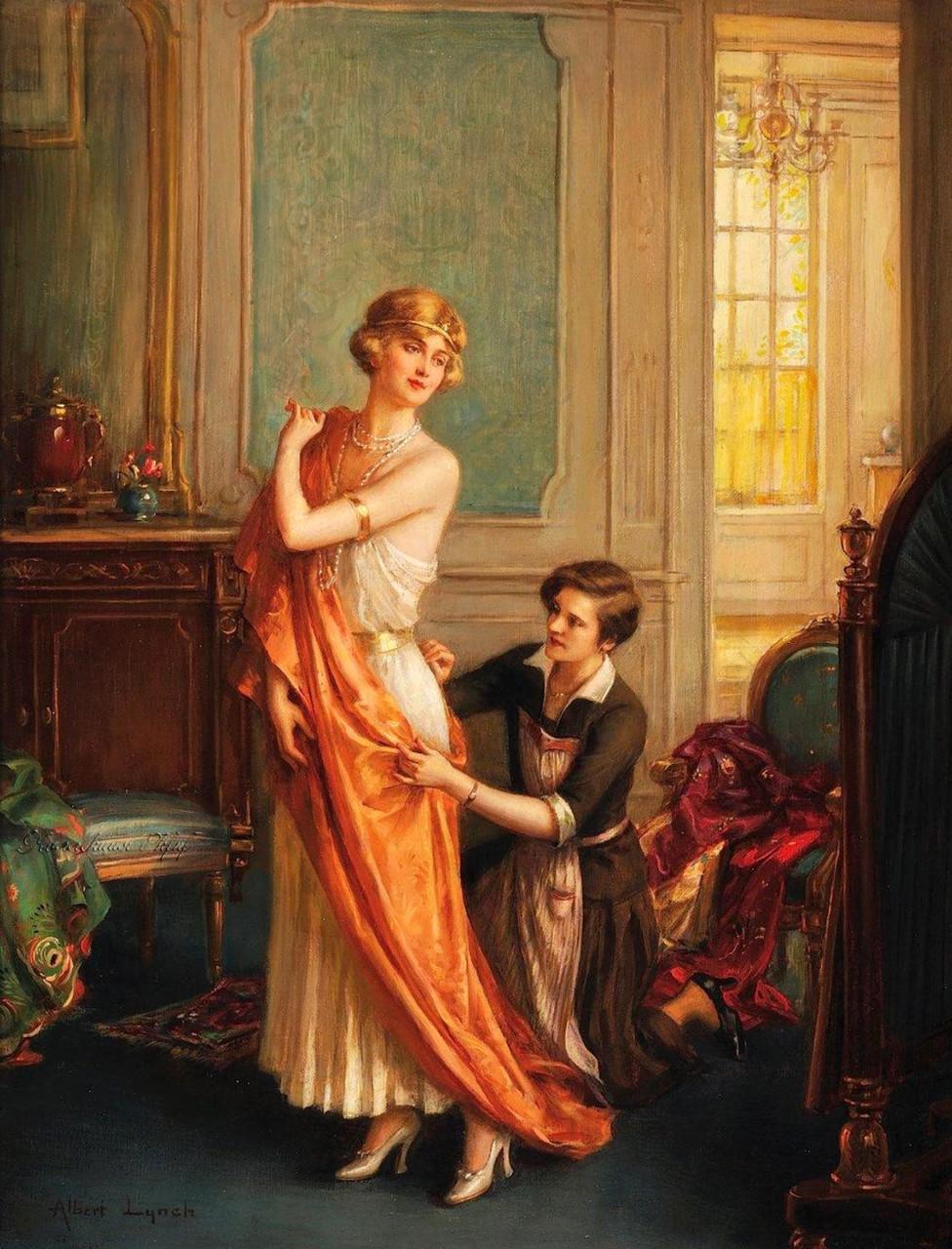
Upper-class women often had maids who dressed them each morning.
Since most servants were right-handed, placing the buttons on the left side of the garment made it easier for someone standing opposite the wearer to fasten them.
Men, by contrast, typically dressed themselves. Right-handed men naturally found right-side buttons easier to use.
Over time, what began as a practical convenience became an established fashion standard.
Theory #2: Men Needed Quick Access to Their Weapons


Another popular explanation comes from military history.
Most men carried swords on their left hip so they could draw them quickly with their right hand.
Having garments overlap left over right (buttons on the right) reduced the chance of clothing catching on the sword hilt while drawing the weapon.
Military uniforms eventually influenced civilian menswear, reinforcing the right-side button placement that continues today.
Theory #3: Horseback Riding Influenced Men’s Fashion
For centuries, horseback was the primary mode of transportation.
Since riders traditionally mounted from the left side while wearing a sword, clothing designed with right-side buttoning helped prevent wind from catching inside jackets and made riding more comfortable.
Many military uniforms and riding coats adopted this design, helping establish it as the standard for men’s clothing.
Theory #4: Mothers Holding Babies
Some historians have proposed another possibility.
Because many mothers traditionally carried infants in their left arm, leaving the right hand free, left-side buttons may have made breastfeeding or adjusting clothing slightly easier.
While this theory is interesting, historians generally consider it less supported than the servant explanation.
Napoleon’s Fashion Influence
One colorful story involves the French ruler Napoleon Bonaparte.
According to legend, Napoleon often posed with one hand tucked inside his jacket. Women supposedly mocked the pose by imitating it.
In response, Napoleon allegedly ordered women’s clothing to button on the opposite side.
It’s a great story—but historians have found little evidence that it actually happened.
Industrial Manufacturing Preserved the Tradition
By the late 1800s, mass-produced clothing became common.
Manufacturers could have standardized all garments with the same button orientation.
Instead, they kept the historical distinction because:
- Consumers expected it.
- Tailors had followed the convention for centuries.
- Fashion catalogs differentiated men’s and women’s clothing this way.
- Retailers wanted consistency across brands.
Once established, changing the convention would have created unnecessary confusion.
Do Buttons Still Matter Today?
In many cases, no.
Modern fashion increasingly ignores traditional gender conventions.
Many brands now produce:
- Unisex shirts
- Gender-neutral jackets
- Oversized fashion pieces
- Workwear with identical construction
These garments often place buttons wherever the designer prefers—or simply follow the men’s convention because it’s more common in manufacturing.
Still, traditional dress shirts, blouses, and formal garments generally maintain the historical button placement.
A Tradition Hidden in Plain Sight
What seems like an insignificant design detail actually reflects centuries of social history.
Button placement tells a story about:
- Medieval wealth
- Domestic servants
- Military traditions
- Horseback travel
- Industrial manufacturing
- The evolution of gender roles in fashion
It’s a reminder that even the smallest details in our everyday clothing often have surprisingly deep historical roots.
Did You Know?
- Buttons first became fashionable in Europe during the 13th century.
- Early decorative buttons could cost more than the fabric itself.
- Luxury gowns in the Victorian era sometimes featured dozens or even hundreds of buttons.
- Many modern sewing patterns still distinguish between men’s and women’s button placement—even for nearly identical garments.
Final Thoughts
The next time you button a shirt, take a closer look.
That tiny row of buttons represents hundreds of years of history—from medieval castles and royal courts to battlefields, riding trails, and the rise of modern fashion.
What began as a practical solution for servants, soldiers, and self-dressing gentlemen has become one of the fashion world’s longest-lasting traditions.
Sometimes, the smallest details reveal the biggest stories.